The Leaning Tower of Pisa Has Nothing on Your Brick Chimney
A leaning chimney isn’t charming. It isn’t quirky. It isn’t something to “keep an eye on.”
It’s a structural failure in progress.
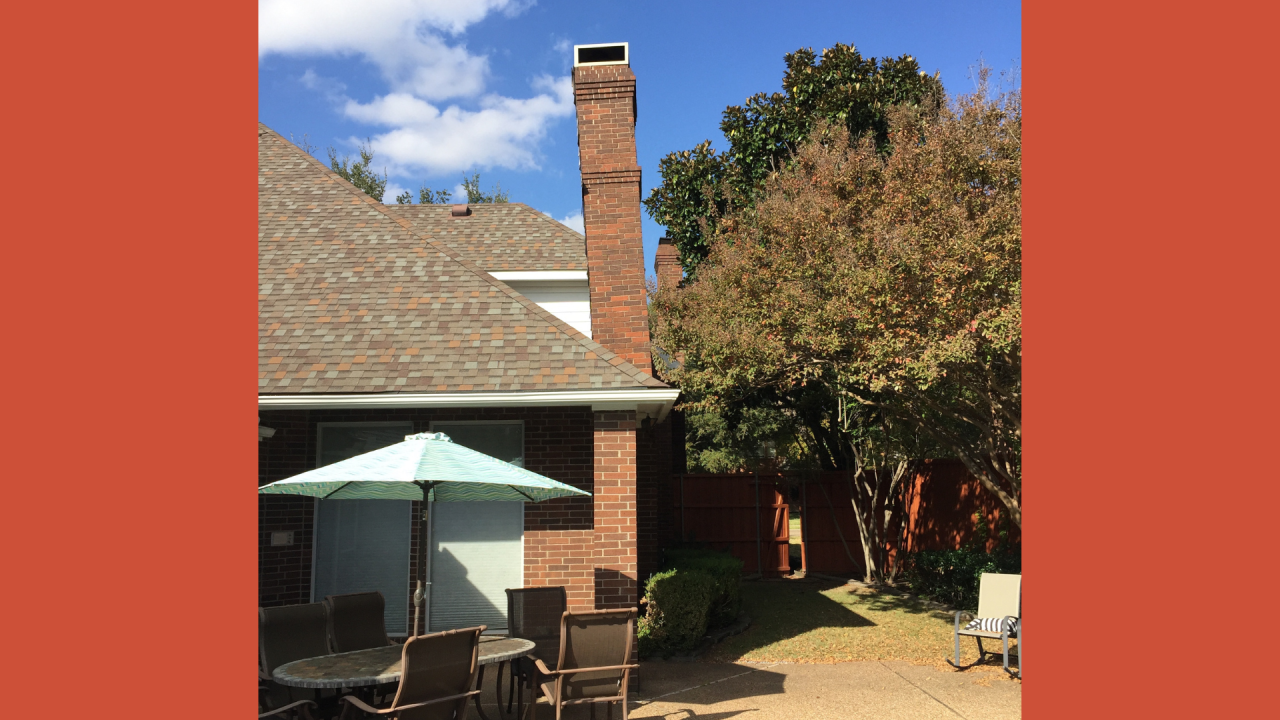
If your brick chimney is visibly tilting—even slightly—you are already past the point where passive concern is appropriate. Chimneys are tall, rigid masonry structures sitting on foundations that often move independently from the rest of the house. When they lean, it’s not cosmetic. It’s physics asserting itself.
Let’s dismantle the myths and deal with the real risks.
A Leaning Chimney Is a Structural Liability, Not a Maintenance Issue
Masonry chimneys are heavy. Thousands of pounds of brick and mortar are stacked vertically with no flexibility. When the foundation beneath them shifts due to:
- Soil movement
- Poor original footing design
- Water infiltration
- Freeze-thaw cycles
- Settlement over time
- Seismic activity (even minor tremors)
…the chimney doesn’t “adjust.” It fractures, separates, and begins to fail.
Once the center of gravity shifts far enough, gravity takes over. That’s not opinion—that’s mechanics.
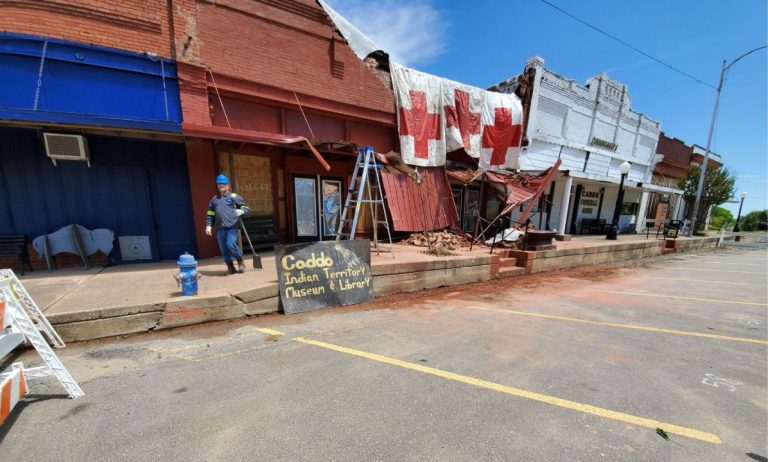
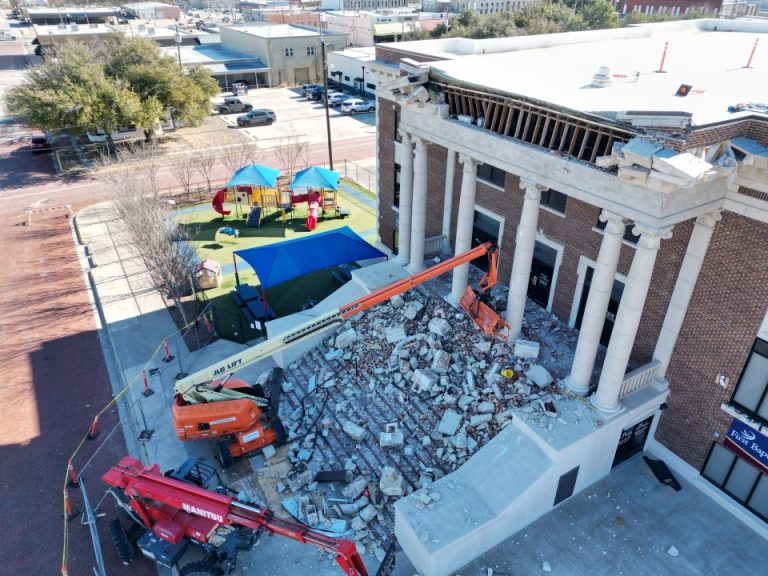
Falling Masonry Is Not Hypothetical
Loose or failing chimneys routinely shed bricks, mortar, and flue components. These don’t drift gently to the ground. They fall with force.
That puts at risk:
- Roof structures
- Gutters and framing
- Vehicles
- Landscaping
- Anyone who happens to be below
If your chimney is leaning, cracked, or separating from the building, it is already signaling that components are under stress and working loose.
Waiting does not make repairs cheaper. It makes them more extensive.
Structural Instability Spreads Beyond the Chimney
Chimneys are often partially integrated into the building envelope. When they move independently, they can:
- Pull away from walls
- Create step cracking in adjacent masonry
- Open gaps in flashing
- Compromise roof intersections
- Allow persistent water intrusion
Water is the real long-term killer here. Once moisture begins infiltrating framing, insulation, and interior finishes, the cost of neglect multiplies rapidly—and invisibly.
Energy Efficiency Suffers When Chimneys Fail
A compromised chimney doesn’t draft properly. That leads to:
- Inefficient combustion
- Backdrafting
- Heat loss
- Cold air infiltration
- Increased heating costs
Worse still, poor draft can introduce combustion gases into the home, especially in older systems. Even if you’re no longer using the fireplace, the chimney remains a penetration in the thermal envelope. A damaged one bleeds performance.
Curb Appeal and Property Value Take a Direct Hit
Buyers notice leaning chimneys immediately. So do inspectors. So do insurers.
A visibly compromised chimney suggests:
- Deferred maintenance
- Structural risk
- Unknown hidden damage
- Future expense
Translation: reduced offers, longer time on market, or failed transactions altogether.
Repairing it is not just preservation—it’s asset protection.
The Reality: This Does Not Fix Itself
Chimneys don’t straighten. Cracks don’t reverse. Foundations don’t magically recompact.
Every season of freeze, rain, and temperature cycling accelerates deterioration.
Early intervention might mean stabilization.
Late intervention often means full rebuild.
Those are very different invoices.
Final Word
If your chimney is leaning, separating, cracking, or bulging, you are not dealing with a cosmetic defect. You are dealing with a structural system that is actively failing.
Address it early. Diagnose it properly. Repair it intelligently.
Because unlike Pisa, your chimney was never meant to lean.