
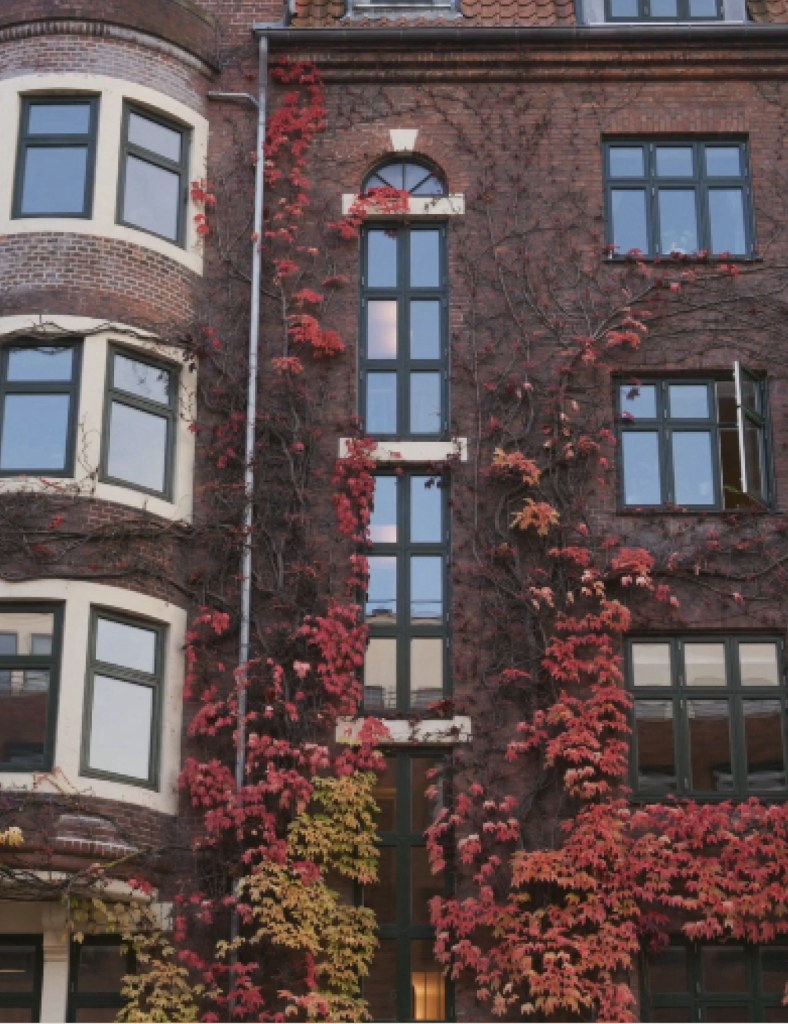
Brick restoration is a delicate blend of craftsmanship and science. When done correctly, it not only preserves the historical integrity of a structure but also ensures its longevity. However, many well intentioned repairs end up causing more harm than good due to common mistakes. From improper cleaning techniques to incompatible materials, these errors can compromise both aesthetics and structural integrity. Here’s a closer look at the pitfalls that can derail a brick restoration project—and how to avoid them.
1. Using Incompatible Mortar
One of the most frequent and damaging mistakes in brick restoration is using the wrong mortar mix. Many modern contractors opt for Portland cement based mortars, which are significantly harder and less permeable than the lime-based mortars traditionally used in historic buildings. This mismatch can lead to spalling, where trapped moisture causes bricks to crack and flake.
Solution: Always conduct a mortar analysis before beginning any repointing work. Use lime-based or other compatible mortars that allow the wall to breathe and accommodate thermal expansion.
2. Aggressive Cleaning Methods
Sandblasting and high-pressure power washing may seem like efficient ways to clean brickwork, but these methods can severely damage the brick’s surface. The abrasive force strips away the protective outer layer, leaving bricks porous and vulnerable to water infiltration and freeze-thaw cycles.
Solution: Opt for gentle cleaning techniques like low-pressure water washing, natural bristle brushes, or chemical cleaners specifically designed for masonry. Always test a small area first to ensure no damage occurs.
3. Ignoring Moisture Management
Moisture is the silent enemy of masonry. Poor water management can lead to efflorescence, freeze-thaw damage, and biological growth. One common oversight is neglecting to repair faulty gutters, downspouts, or flashing, which can funnel water directly onto brick surfaces.
Solution: Evaluate and address all sources of moisture before starting restoration. Ensure proper drainage systems are in place, and use breathable materials that allow trapped moisture to escape.
4. Mismatched Brick Replacement
When replacing damaged bricks, it’s essential to match the new units as closely as possible to the originals in terms of size, color, texture, and porosity. Using modern bricks with different thermal and moisture properties can create stress points and aesthetic inconsistencies.
Solution: Source reclaimed bricks or have custom bricks manufactured to match the originals. Always consider the brick’s porosity to maintain consistent moisture movement within the wall.
5. Over-Repointing and Overfilling Joints
Repointing is crucial for structural stability, but overdoing it can be just as harmful as neglecting it. Overfilling joints or applying mortar beyond the original joint lines alters the wall’s appearance and can create stress on surrounding bricks.
Solution: Carefully remove deteriorated mortar to the appropriate depth and repoint using traditional methods that respect the original joint profiles. Skilled masons know that less is often more when it comes to repointing.
6. Applying Modern Sealants
It’s tempting to use modern waterproofing sealants to “protect” old brickwork, but many of these products trap moisture inside the wall, leading to internal deterioration and mold growth.
Solution: Choose breathable sealants designed for historic masonry or avoid sealants altogether if proper moisture management is in place. The goal is to allow the wall to expel moisture naturally.
7. Neglecting Structural Issues
Cracks, bulges, and leaning walls are not just cosmetic issues—they can indicate serious structural problems. Ignoring these signs during a brick repair project can compromise the building’s stability.
Solution: Before starting restoration, consult a structural engineer experienced in historic buildings. Address foundational and load-bearing concerns to ensure the longevity of the repairs.
8. Disregarding Historical Integrity
Restoring a historic structure isn’t just about fixing what’s broken—it’s about preserving its original character. Using modern materials or techniques that clash with the building’s historic fabric can devalue the structure and compromise its authenticity.
Solution: Research the building’s architectural history and adhere to preservation standards. Whenever possible, use traditional methods and materials that respect the original construction.
Case Studies: Lessons Learned from Restoration Failures
1. The Over-Cleaned Warehouse
In an attempt to restore a 19th-century warehouse, contractors used high-pressure sandblasting to remove decades of grime. The result? Severely weakened bricks that began spalling within a year. The project required a second, more sensitive restoration—costing double the original budget.
2. The Mismatched Townhouse
A historic townhouse in New York City was repointed using bright white Portland cement mortar that clashed starkly with its aged red brick. Not only did it create an eyesore, but the rigid mortar also led to widespread brick cracking. A painstaking repointing with lime-based mortar corrected the damage, but the aesthetic scars remained.
Best Practices for Successful Brick Restoration
• Conduct Thorough Assessments: Always start with a detailed inspection to identify underlying issues.
• Use the Right Materials: Compatibility is key. Match mortars, bricks, and finishes to the original materials.
• Prioritize Breathability: Allow the structure to expel moisture naturally to prevent long-term damage.
• Employ Skilled Craftsmen: Historic masonry requires specialized knowledge and experience.
• Follow Preservation Standards: Adhere to local and national guidelines for historic restoration projects.
Conclusion: Respect the Craft, Respect the Structure
Brick restoration is not just about aesthetics—it’s about preserving history and ensuring structural longevity. Avoiding common mistakes requires a combination of technical expertise, respect for historical integrity, and a deep understanding of masonry science. By recognizing and steering clear of these pitfalls, restoration professionals can honor the past while protecting it for future generations.