
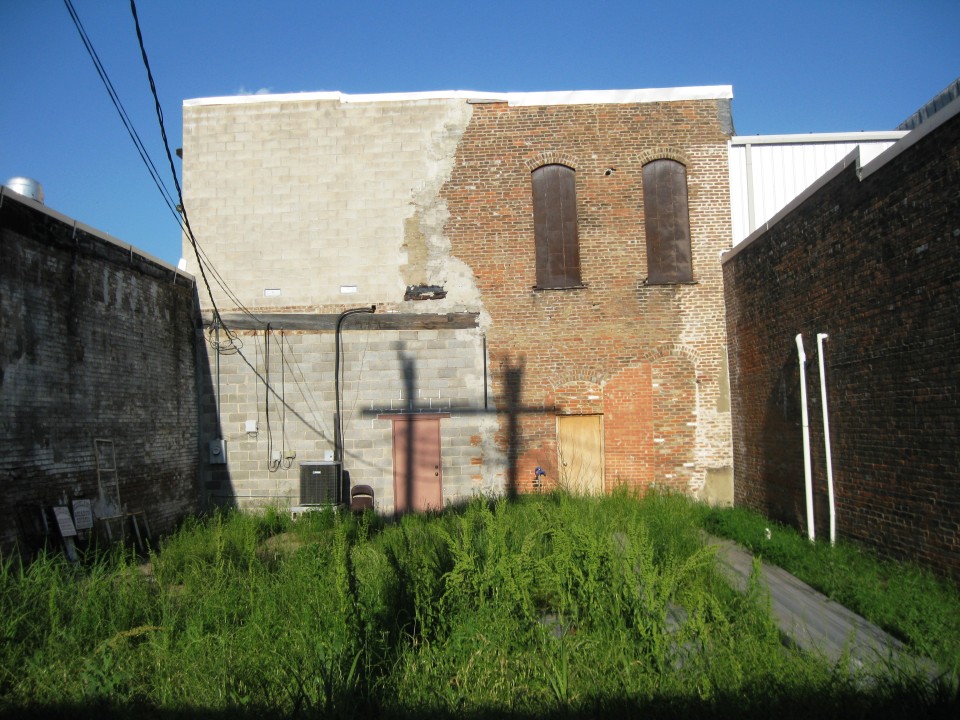
The No.1 Rule in Historic Masonry Restoration: Expect the Unexpected—or Fail
Expect the Unexpected—or You’re Not Qualified for Historic Work
If you think a historic masonry restoration project will go according to plan, you are already behind—and potentially dangerous.
Every historic masonry building lies. Drawings lie. Prior repairs lie. Even visible distress often hides deeper structural failures that only reveal themselves once work begins. The No.1 rule in historic masonry restoration is not craftsmanship, conservation ethics, or material compatibility. It is this:
Expect the unexpected—or don’t take the project.
This isn’t pessimism. It’s professional realism.
Historic Masonry Is a Record of Compromises, Not Intentions
Historic buildings are not frozen moments in time. They are layered systems of original construction, partial collapses, undocumented repairs, material substitutions, and well-intentioned mistakes.
Behind what you see are often:
- Concealed structural voids
- Incompatible cementitious repairs
- Failed load paths masked by finishes
- Foundations altered without documentation
- Walls carrying loads they were never designed to carry
Assuming visual conditions tell the full story is how restorations fail—sometimes quietly, sometimes catastrophically.
Inspection Is Not a Walkthrough—It’s a Forensic Exercise
A “thorough inspection” does not mean photographs, moisture readings, and a few test probes. That’s baseline competency, not expertise.
Proper historic masonry diagnostics demand:
- Understanding original construction logic before analyzing distress
- Identifying how loads were intended to move—and how they actually move now
- Differentiating age-related weathering from structural instability
- Recognizing when past repairs have become the primary failure mechanism
If the investigation phase feels uncomfortable, slow, or inconclusive, that’s not a problem—that’s the work.
Your Plan Is Temporary. Accept That Early.
Any restoration plan that assumes completeness at issuance is fiction.
A competent plan in historic masonry restoration is not rigid—it is intentionally provisional. It anticipates discovery. It allocates contingency. It allows for structural re-evaluation once concealed conditions are exposed.
Professionals who treat mid-project revisions as “scope creep” rather than inevitable discovery are revealing their inexperience.
Adaptation Is Not Weakness—It’s the Skill That Matters
Historic masonry restoration punishes inflexibility.
When concealed failures appear—and they will—the response cannot be panic, denial, or cosmetic mitigation. It requires immediate reassessment of:
- Structural capacity
- Safety implications
- Material compatibility
- Long-term performance
Adaptation is not an admission of error. It is proof that diagnostics are being taken seriously after exposure, where real evidence exists.
Experience Is Not Optional—It’s the Only Safety Margin
Historic masonry does not forgive learning on the job.
Successful projects depend on teams who understand masonry as a structural system—not just a finish. That means professionals who can read distress patterns, recognize false stability, and intervene surgically rather than destructively.
This is not the place for general contractors “figuring it out,” nor for consultants who only operate comfortably within modern assemblies.
Respect for History Requires Technical Discipline, Not Romance
Preserving historic fabric is not about nostalgia. It is about restraint, accuracy, and structural honesty.
True respect for historic masonry means:
- Intervening only where necessary
- Avoiding solutions that solve today’s problem by creating tomorrow’s failure
- Accepting that some buildings need stabilization, not beautification
Romanticizing the past without understanding its construction methods is how irreversible damage happens.
Final Word
Historic masonry restoration is inherently uncertain. That uncertainty is not a flaw—it is the defining condition of the work.
Expect the unexpected. Plan for discovery. Adapt without ego.
Anything less is not preservation—it’s risk management theater.
At Masonry Problem Solver™, this principle isn’t a slogan. It’s the baseline requirement for touching historic structures responsibly.