
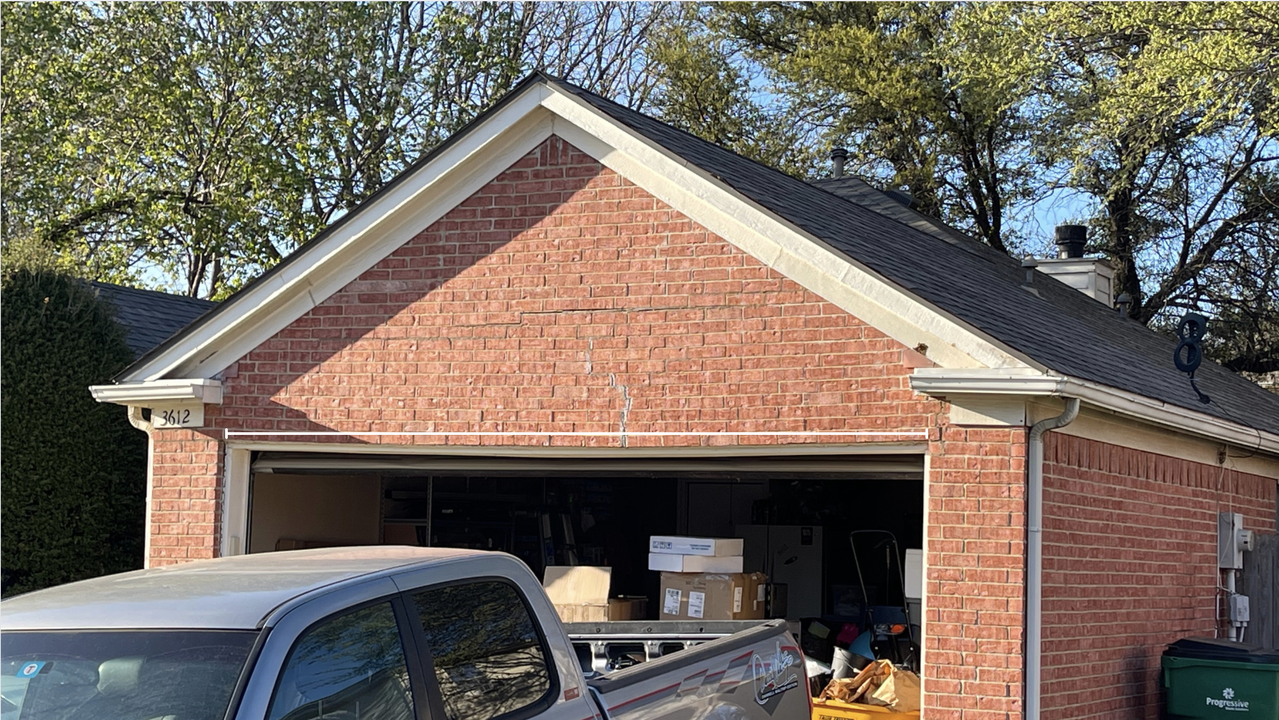
Why Steel Lintels Above a Garage Door Are Critical to Structural Integrity
Published: January 4, 2024
A garage door opening is often the widest structural opening in a home. Remove that much masonry, and you remove a tremendous amount of natural support. The only thing standing between a stable wall and a structural failure is the steel lintel above the garage door.
If that lintel is undersized, improperly installed, or corroded, the wall above the garage will eventually sag, crack, or in extreme cases, fail. And because garages frequently support bedrooms, roof framing, or bonus rooms above, the structural load is often far greater than homeowners realize.
Let’s examine why garage lintels matter—and what separates a durable installation from a future repair bill.
What a Steel Lintel Actually Does
A steel lintel is a horizontal structural member that spans the garage opening and carries:
- The weight of the brick or block veneer above
- Floor loads (if a room exists above the garage)
- Roof loads and snow loads
- Wind and lateral forces
Without a properly sized lintel, gravity does what gravity always does—it wins.
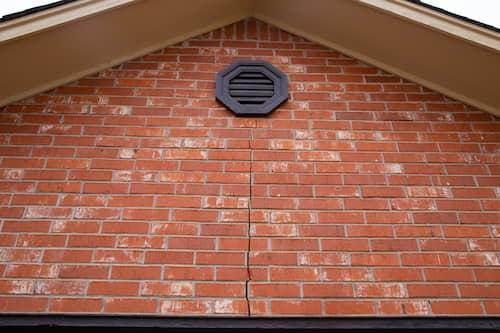
The lintel transfers vertical loads from the masonry and framing above and distributes them evenly into the side supports (jambs). When correctly engineered, this load path is invisible. When it fails, the signs are obvious:
- Stair-step cracking in brick
- Horizontal cracking above the garage door
- Sagging brick courses
- Rust staining at the lintel line
- Separation between masonry and framing
These are not cosmetic issues. They are structural warnings.
Why Garage Lintels Fail
Garage openings are uniquely vulnerable because they are wide spans. The longer the span, the greater the bending stress on the steel.
Common causes of failure include:
1. Undersized Steel
Builders sometimes install angle iron that is insufficient for the load above. This is especially common when garages support finished rooms.
2. Corrosion
Steel lintels are frequently exposed to:
- Moisture infiltration
- De-icing salts
- Freeze-thaw cycles
Once corrosion begins, steel expands as it rusts. That expansion can crack surrounding brick before the steel even loses structural capacity.
3. Inadequate Bearing
Lintels must have proper end bearing on solid masonry or structural framing. Too little bearing concentrates stress and accelerates failure.
4. Poor Flashing and Drainage
Without proper flashing and weep systems, water sits directly on the lintel, accelerating corrosion.
Steel Lintel Design Considerations
Choosing the right lintel requires more than guessing the span. Factors include:
- Clear span width
- Tributary load (roof, floor, masonry height)
- Masonry type (brick veneer vs. structural masonry)
- Snow load (regional)
- Wind exposure
- Corrosion environment
Common lintel types include:
- Steel angle lintels
- Channel sections
- Welded plate lintels
- Galvanized or stainless steel lintels (for corrosive environments)
For coastal areas or high-moisture regions, galvanized or stainless steel should be strongly considered to mitigate corrosion risk.
Installation Matters as Much as Material
Even a perfectly engineered lintel can fail if installed improperly.
Best practices include:
- Minimum 4–8 inches of bearing on each side (depending on load)
- Proper shimming and leveling
- Through-wall flashing installed above the lintel
- Weep holes to allow drainage
- Separation between dissimilar metals
- Proper mortar bedding
Lintels should never be embedded in environments where moisture is trapped with no escape path.
Inspection and Maintenance
Steel lintels are not “install and forget” components. Regular inspections should check for:
- Rust staining
- Brick cracking
- Deflection (visible sagging)
- Mortar deterioration
- Flashing failure
Early intervention can often prevent full structural repair.
If corrosion is detected early, repairs may include:
- Cleaning and recoating
- Supplemental steel reinforcement
- Partial masonry rebuild
- Full lintel replacement (in severe cases)
Aesthetic Considerations
While structural performance comes first, steel lintels can also be integrated cleanly into architectural design. Options include:
- Concealed lintels within masonry
- Powder-coated exposed steel
- Decorative steel fascia integration
- Matching garage door trim profiles
However, aesthetics must never compromise structural capacity.
When to Consult a Professional
If your garage supports significant loads—or you observe cracking above the door—consulting a structural engineer or experienced masonry contractor is prudent.
Garage lintel failures rarely improve on their own. They progress.
Final Thoughts
A steel lintel above a garage door is not a minor component. It is the primary structural bridge carrying some of the heaviest loads in a residential structure.
When properly designed, protected, and maintained, it performs silently for decades. When neglected or improperly installed, it announces its failure in brick cracks and sagging masonry.
Investing in the correct lintel design and installation is not an upgrade. It is a structural necessity.