
Blind Headers in Historic Masonry: Hidden Structural Elements That Are Hard to Spot
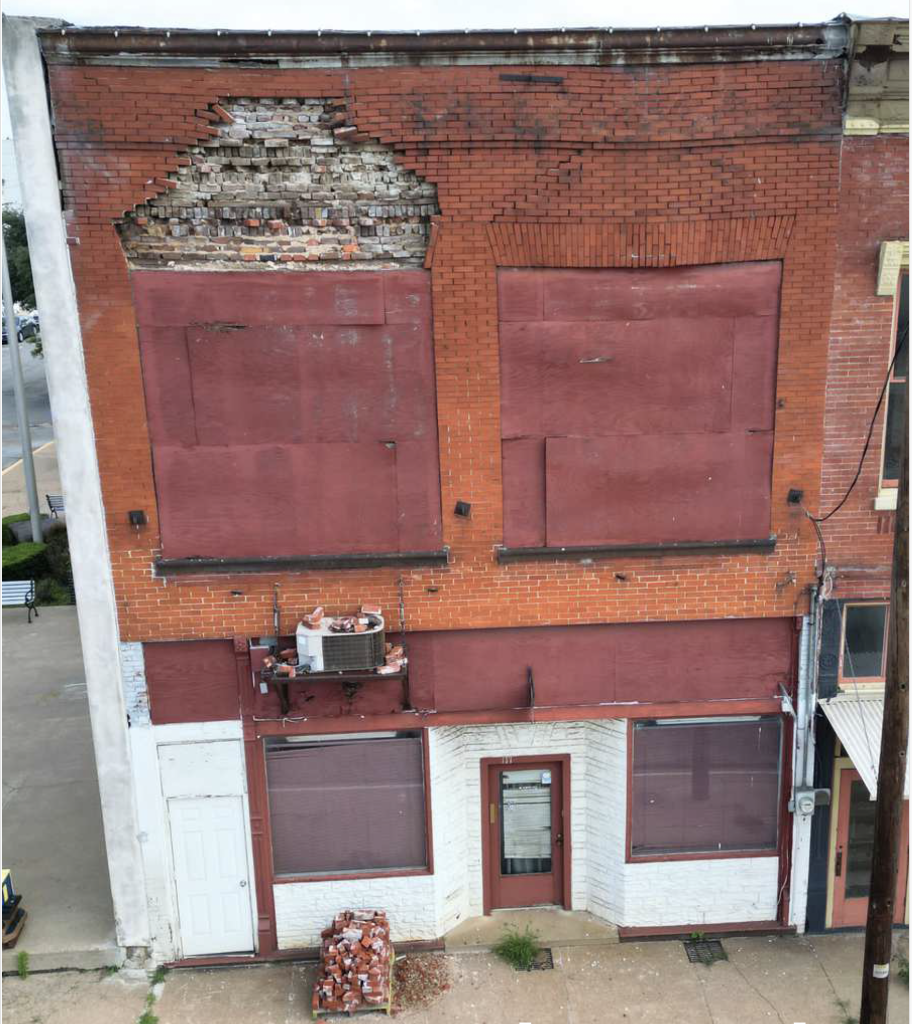
Understanding Blind Headers in Historic Masonry
Blind headers are a fascinating yet often overlooked feature in historic masonry. Unlike traditional headers that are visible on the exterior of a brick wall, blind headers are concealed within the masonry, maintaining a uniform running bond appearance at the façade while still serving a structural role. These hidden elements can be difficult to identify, posing challenges for restoration professionals, structural engineers, and preservationists working on historic buildings.
Why Are Blind Headers Used?
In historic masonry, particularly in solid brick walls, headers were used to tie multiple wythes (layers of brick) together for strength and stability. However, in many cases, architects and masons wanted to maintain a seamless visual pattern on the exterior face of the wall, avoiding the interruption of a traditional header bond pattern. To achieve this, masons employed blind headers—bricks that extend into the wall to perform the function of a header but are not exposed at the outer surface.
Types of Blind Headers
There are two common methods used to incorporate blind headers into masonry walls:
1. Running Bond Blind Headers
In a running bond pattern, the bricks are laid in continuous overlapping rows, with each brick covering the vertical joints below. To tie the outer wythe to the inner wythes without disrupting the appearance of the running bond, masons used blind headers. These bricks extended deep into the wall but were faced with a stretcher on the exterior, making them invisible from the outside.
2. Diagonal Brick Blind Headers
Another method involved diagonal blind headers, where bricks were laid at an angle inside the wall to interlock wythes while maintaining a uniform façade. These diagonal placements ensured strength and cohesion while allowing the running bond pattern to remain undisturbed on the exterior surface.
Challenges in Identifying Blind Headers
One of the biggest difficulties with blind headers is their invisibility. Since they do not appear as traditional headers on the outer face, detecting their presence often requires specialized techniques such as:
Infrared Thermography – This non-invasive method can help identify temperature differences that indicate variations in brick bonding patterns.
Wall Probes and Endoscopic Cameras – Small boreholes with fiber-optic cameras can be inserted to inspect interior brickwork without causing significant damage.
Historical Documentation – Studying original blueprints and construction records can provide insights into the masonry techniques used.
Why Blind Headers Matter in Restoration
Understanding blind headers is crucial for historic masonry restoration, as they play a structural role in tying walls together. When repairing or repointing a historic structure, contractors must be aware of the presence of these hidden elements to avoid accidentally weakening the wall system.
Conclusion
Blind headers are a prime example of the ingenuity of historic masons. While they provide essential structural reinforcement, their hidden nature makes them challenging to identify. Restoration professionals must use a combination of historical research, modern technology, and careful inspection to ensure these elements are preserved and reinforced properly.