
Masonry Problem Solver
Masonry restoration is the ability to deconstruct and reconstruct.
— Alan Pettingale
30+Years Investigating Masonry Failure
Frequently Consulted
Historic & Modern Masonry Repair Systems
Movement Interpretation
Speaker: World of Concrete & Canadian Concrete Expo
Publisher: Masonry Restoration Magazine
Coming Soon: Masonry Restoration Academy
Inventor of Remedial Wall-Tie & Repointing Systems
WHAT WE DO
What We Investigate — And Why It Matters
“Masonry Restoration is the ability to deconstruct
and reconstruct. In essence, it involves mentally
taking something apart to understand its
components, and then reassembling it, often with
modifications or a new perspective.”
– Alan Pettingale
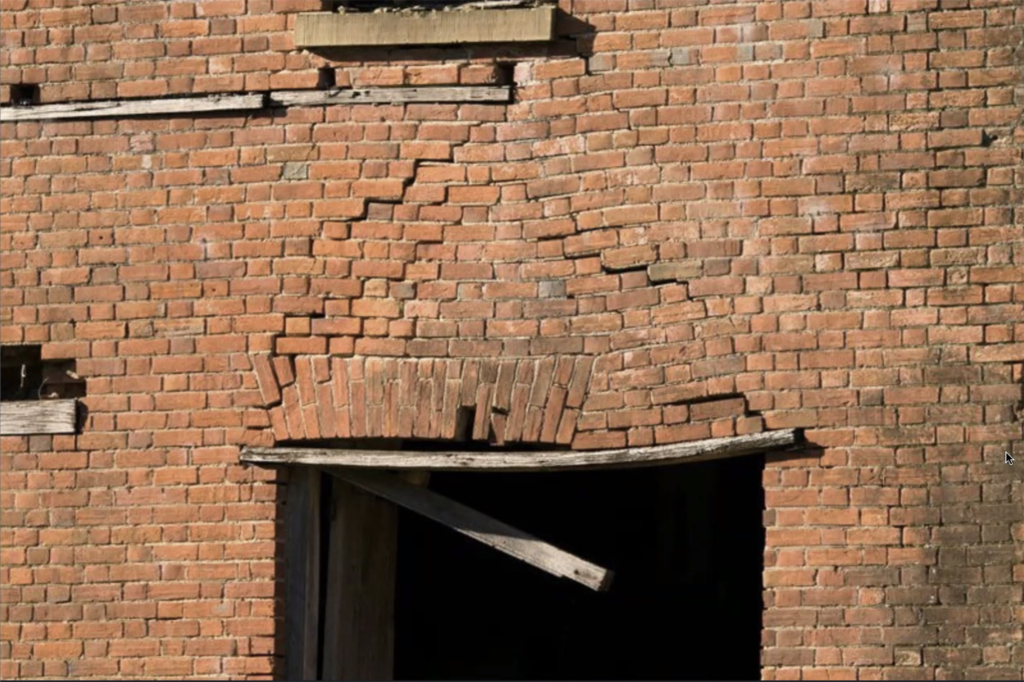
Stabilization & Repair
Cavity Wall Tie Failure & Replacement
Corroded or missing wall ties can quietly destabilize brick veneers for decades before visible movement occurs. We diagnose, document, and remediate wall-tie failure using stainless-steel retrofit systems designed for long-term stability.
Lateral Restraint & Structural Anchoring
Bowing and outward movement are rarely “just age.” We assess restraint conditions and install engineered anchoring systems to stabilize masonry safely and predictably.
Historic Repointing &
Mortar Compatibility
Improper mortar selection accelerates masonry decay. We analyze existing mortars and specify compatible repointing strategies that respect both structure and historic fabric.
Masonry Diagnostics
Using drone surveys, borescopes, ultrasonic testing, metal detectors, thermal cameras and moisture analysis used to locate concealed defects before they become visible—or irreversible.
CASE STUDIES
Documented Masonry Failures & Structural Interventions
These case studies document what failed, why it failed, what was previously missed, and how stabilization was achieved. Each project illustrates how surface-level repairs can mask deeper structural problems—and how proper diagnosis changes outcomes.
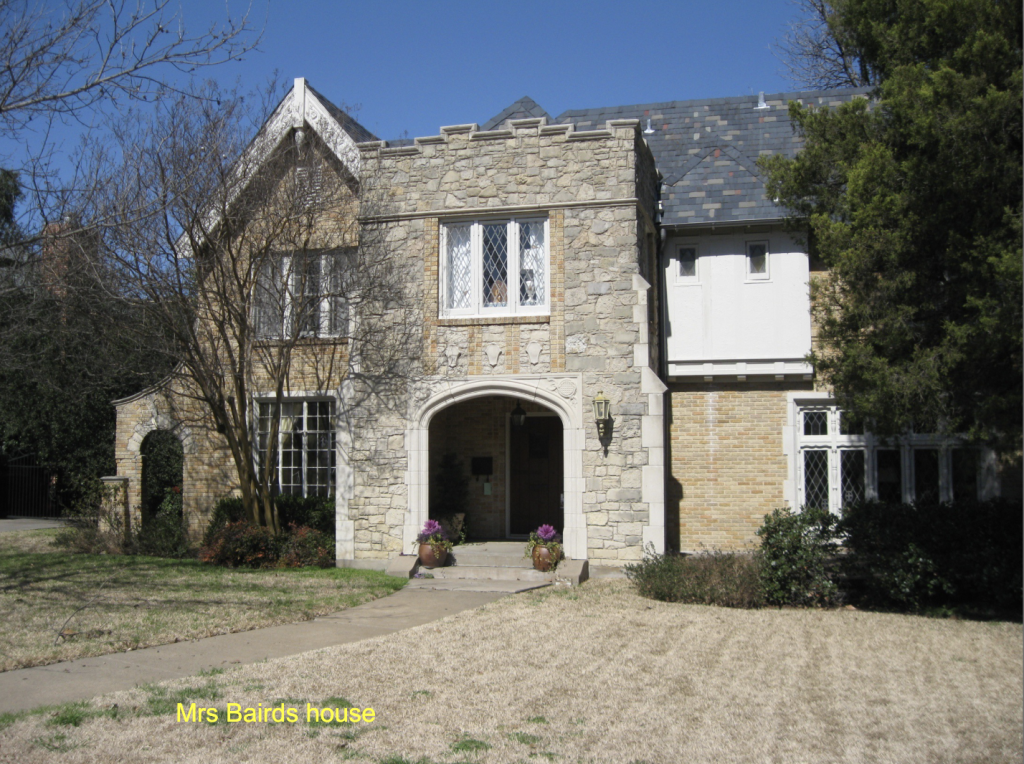
Mrs Baird’s House 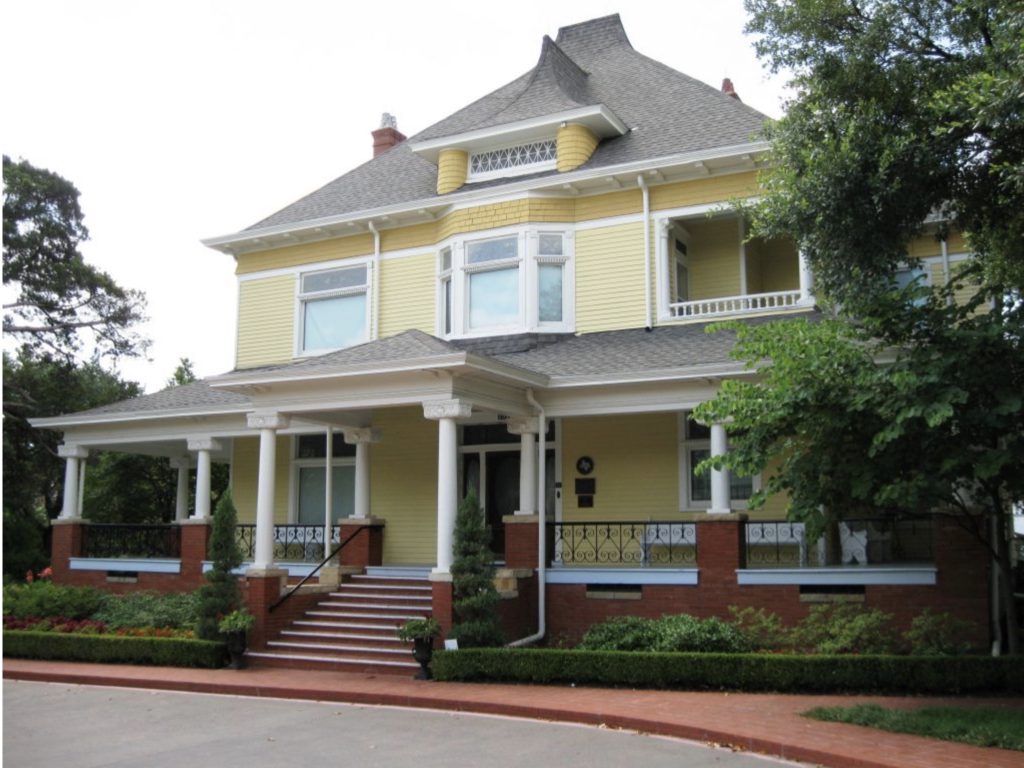
Heard House 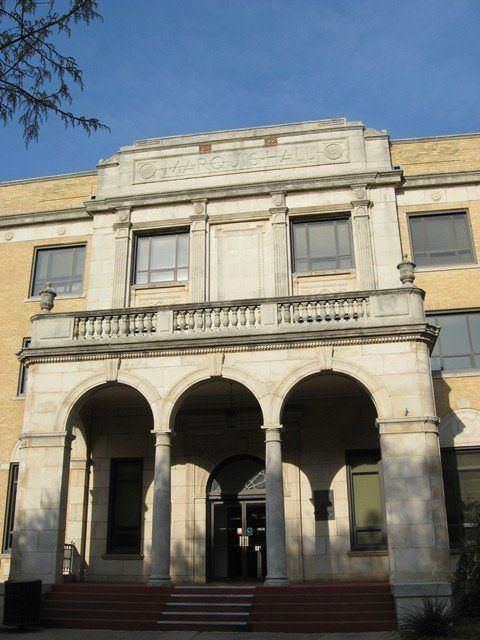
Marquis Hall UNT 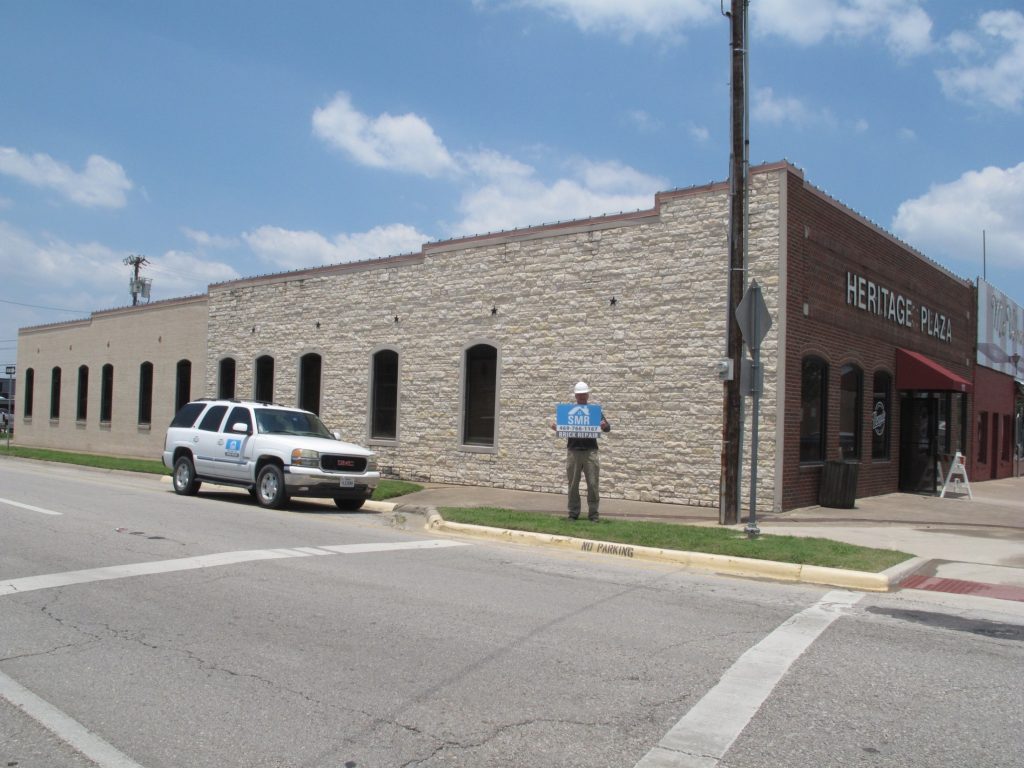
Down Town Mesquite Texas 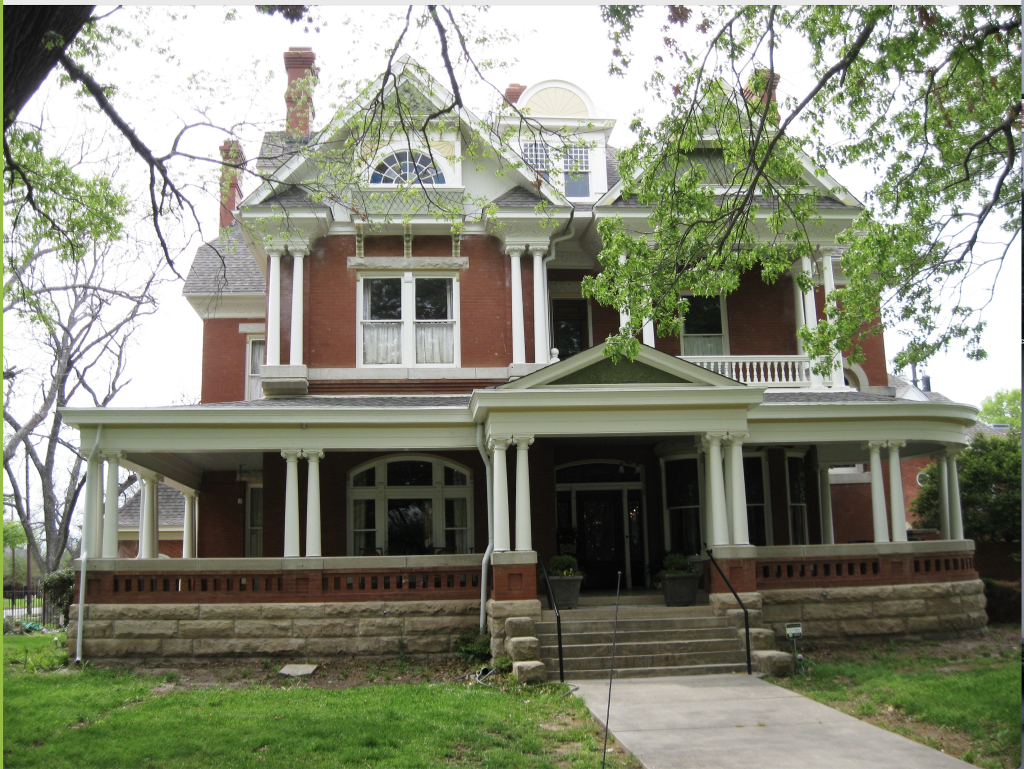
Bomar House 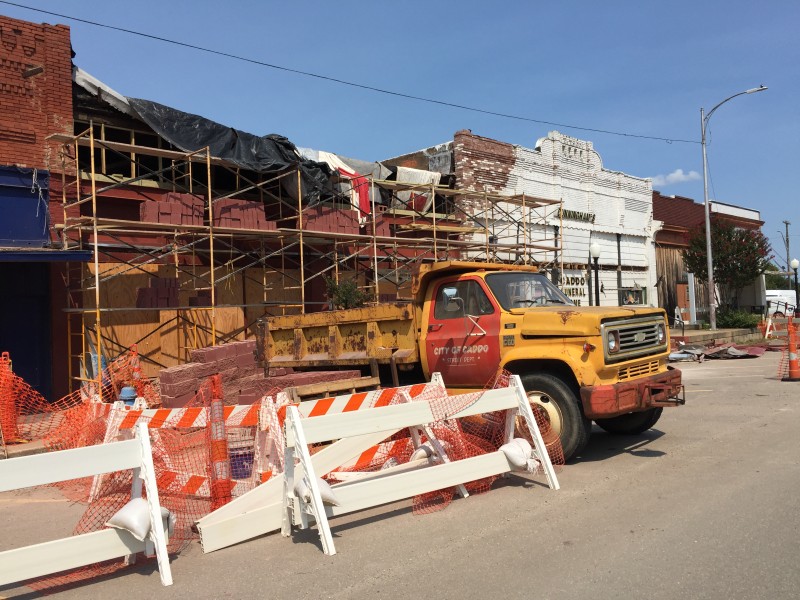
Caddo, OK
ABOUT ALAN
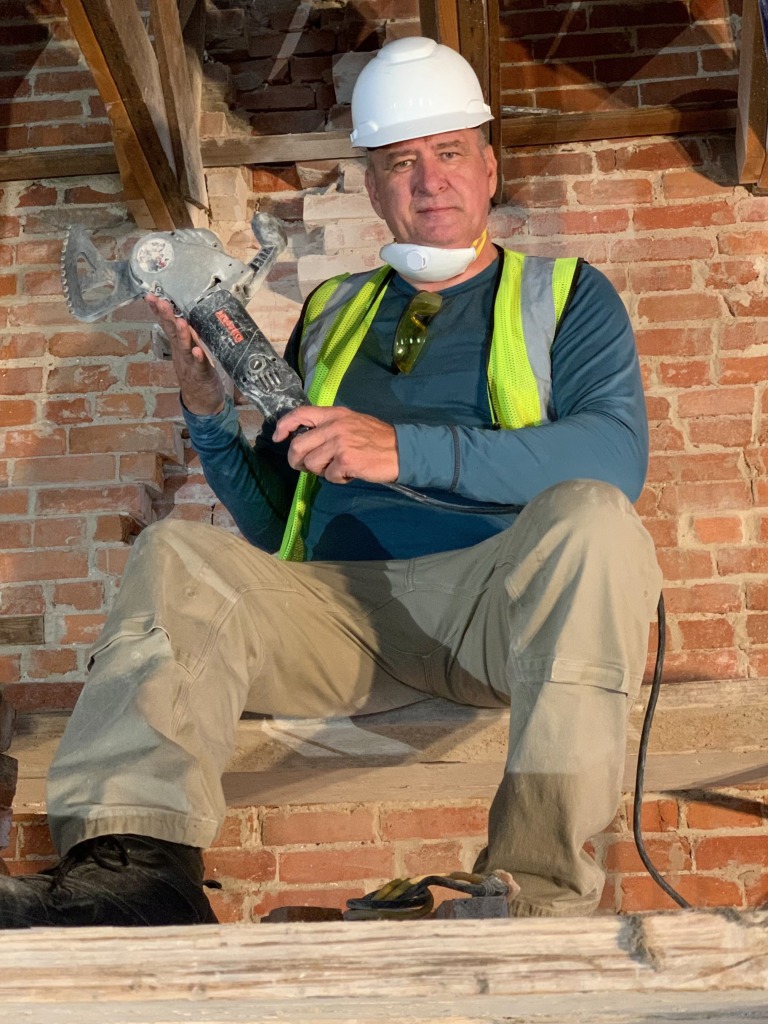
Alan Pettingale — Masonry Failure Specialist
Alan Pettingale has spent decades investigating why masonry repairs fail and why movement returns after “successful” projects. Working across the U.S. and U.K., his expertise lies in interpreting masonry behavior, recognizing concealed failure patterns, and recommending stabilization strategies grounded in observed performance—not assumptions. He is often consulted when standard assessments fail to explain ongoing distress.
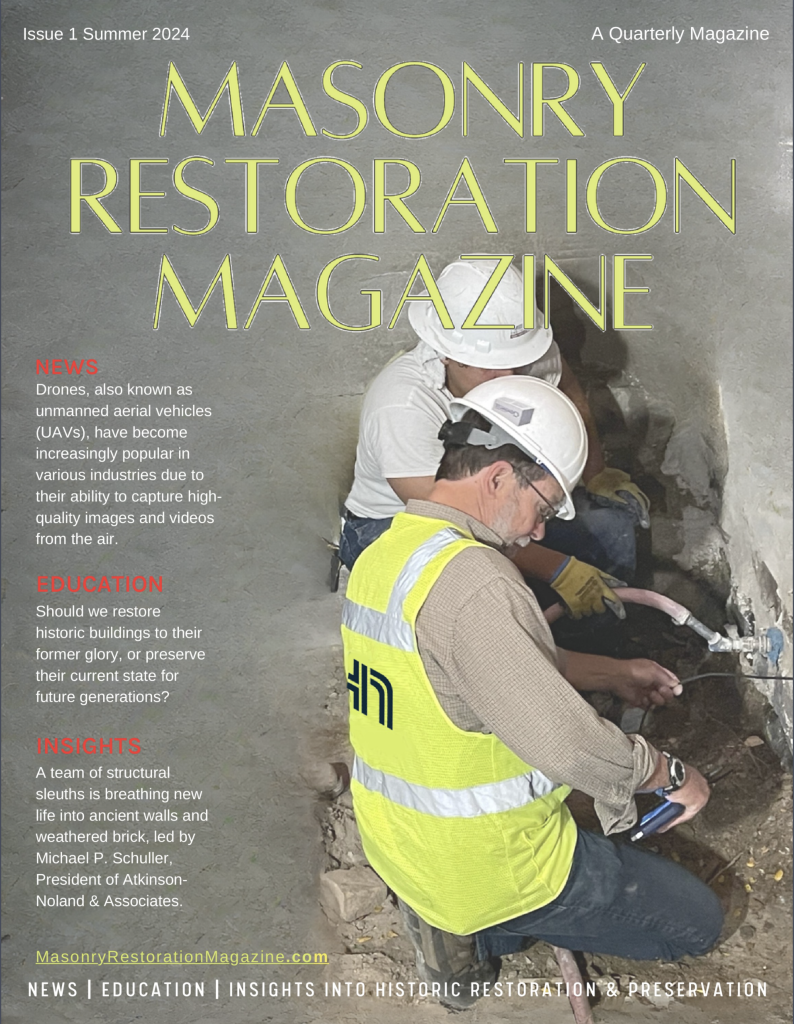
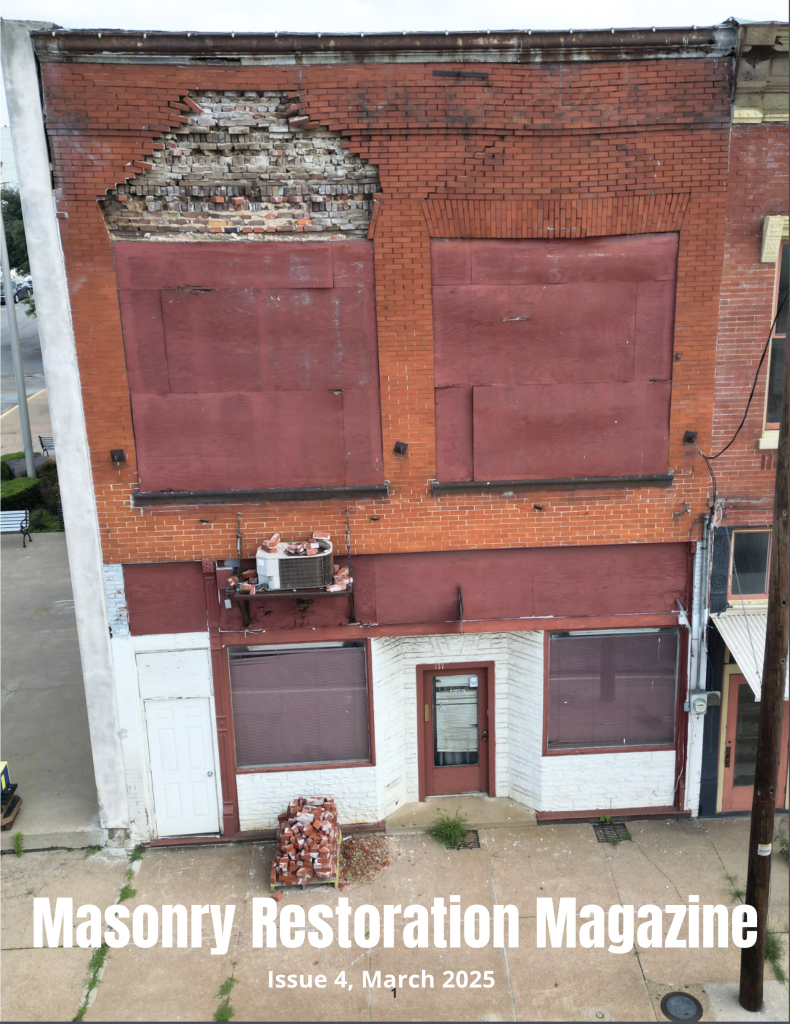
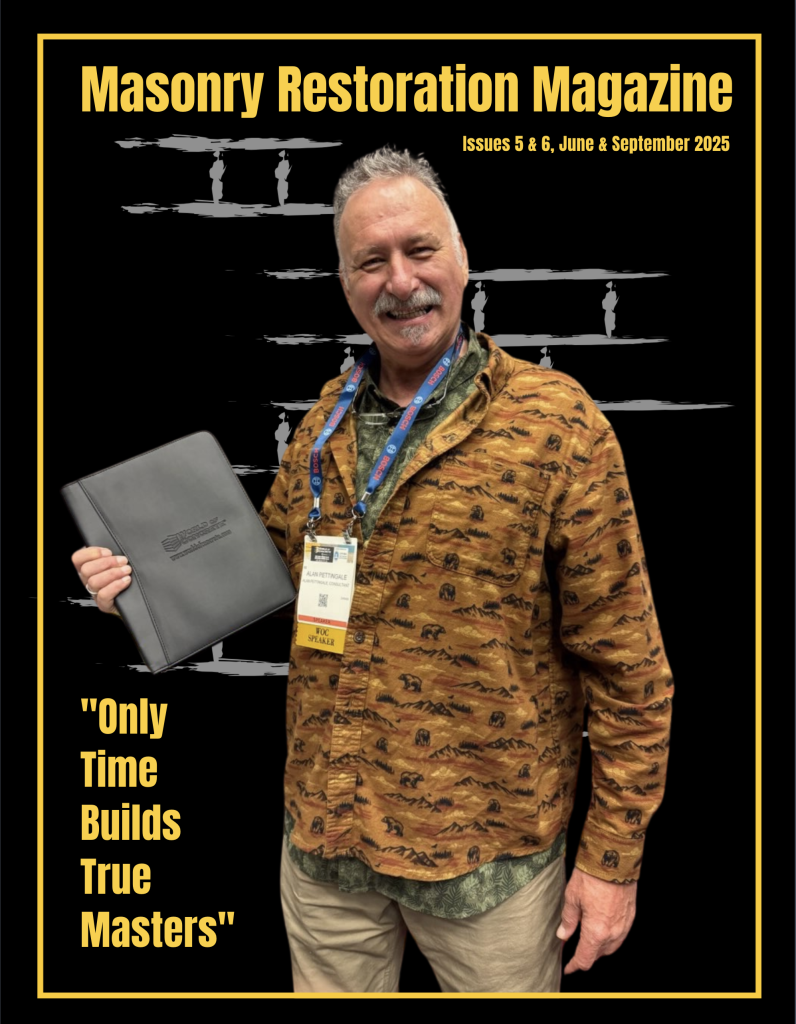
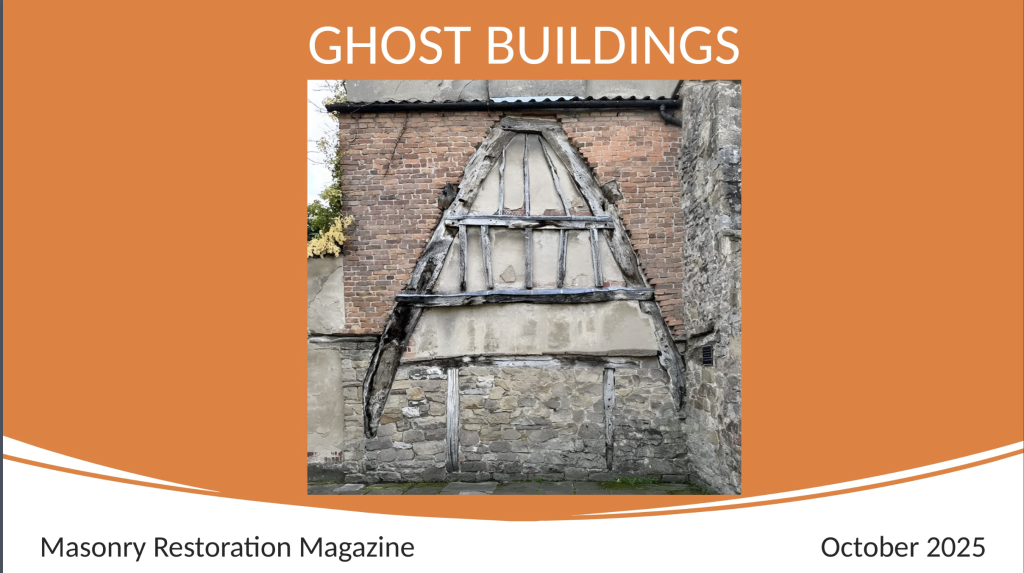
MASONRY RESTORATION MAGAZINE
Masonry Restoration Magazine exists so architects and engineers can safely reference documented masonry failure patterns when repair decisions carry structural or liability risk.


PODCAST
BrickTalk Live
Masonry Failure & Diagnostics
Case-based discussions examining why masonry systems fail, how movement develops, and where standard repair assumptions break down.
PRODUCTS
Systems Developed in Response to
Repeated Failure
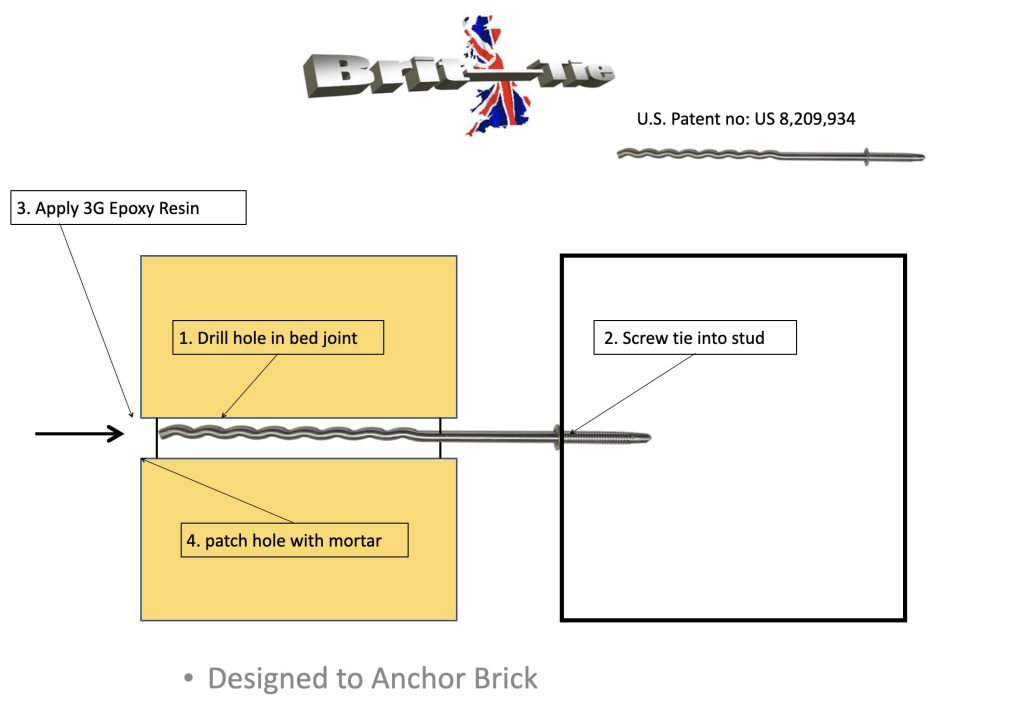
Brit-Tie Stainless Steel Wall Tie System
Developed after decades of observing veneer instability caused by corroded or missing wall ties.
Repointing Machine (Patent Pending)
Designed to address inconsistent mortar placement observed on large-scale repointing projects.
MASONRY RESTORATION ACADEMY
COMING SOON
Training Focused on Failure Recognition,
Not Just Repair
The Masonry Restoration Academy exists to teach failure recognition, diagnostic thinking, and long-term masonry behavior—topics rarely covered in U.S. construction education. Programs are designed for professionals responsible for specifying, approving, or inspecting masonry repairs.